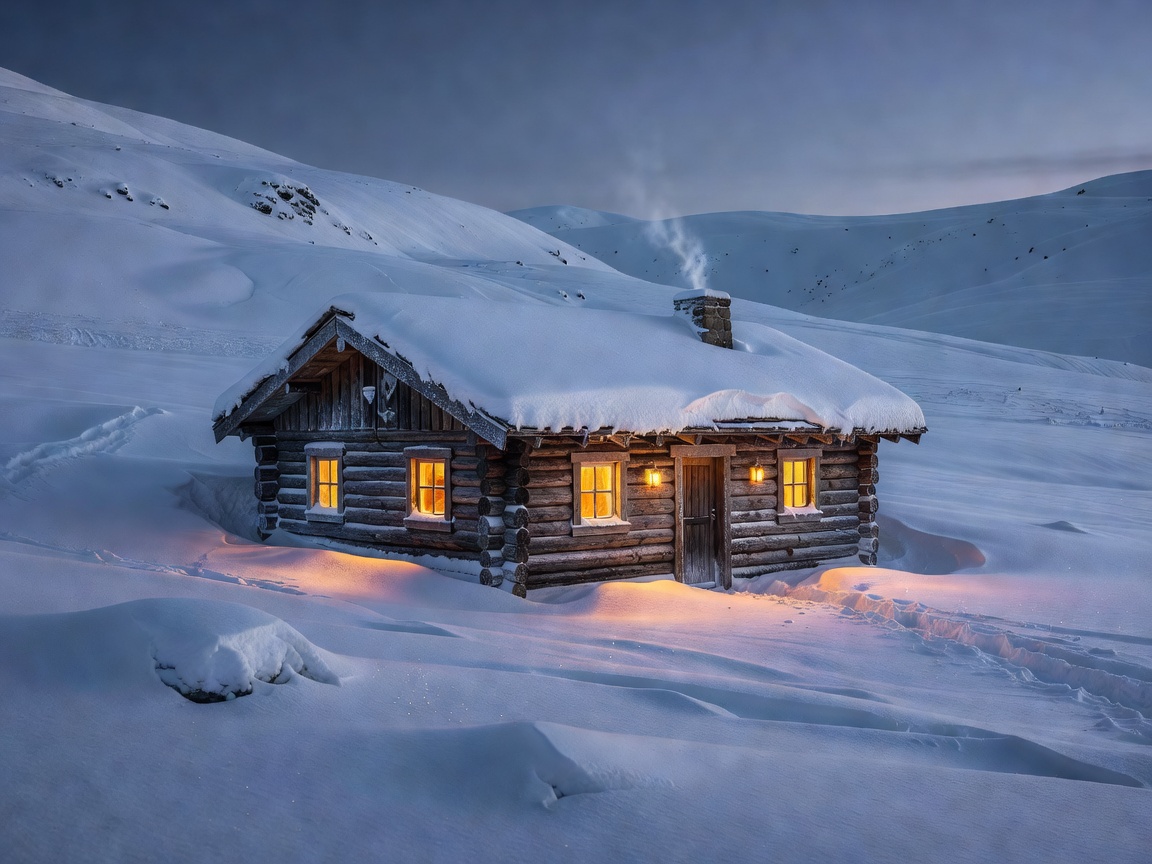
Living above 8,500 feet elevation presents unique physical and thermodynamic hurdles. When temperatures plummet below -25°F (-31°C) with gale-force alpine katabatic winds, standard residential construction standards collapse under extreme heat-loss differentials. Preparing an off-grid cabin for uninterrupted winter residency requires a layered defense spanning thermal boundary sealing, passive heat capture, specialized thermal mass dissipation, and freeze-proof plumbing architecture.
1. Continuous Thermal Envelope Integrity & Blower Door Targets
The primary vector of heat failure in cold climates is uncontrolled exfiltration and cold air infiltration through rim joists, electrical penetrations, and ceiling junctions. In an off-grid alpine build, every cubic foot of escaping heated air must be compensated with precious biomass or finite battery reserve power.
We mandate an airtightness metric of under 0.60 ACH50 (Air Changes per Hour at 50 Pascals), exceeding standard Passive House metrics. To achieve this, contractors must install an intelligent variable-permeance vapor membrane (such as Pro Clima INTELLO) taped with acrylic high-adhesion flashing on all exterior-facing surfaces prior to interior cladding.
Key Engineering Standard: Cold-Bridge Elimination
Exterior continuous insulation (minimum 2.5 inches of foil-faced polyisocyanurate or dense rockwool) must wrap the timber studs entirely to break thermal bridges across structural members, preventing condensation and mold within structural wall cavities.
2. Thermal Mass Integration: The Masonry Core Advantage
Standard cast-iron wood stoves emit brief, intense radiant heat that quickly overheats small cabin interiors and creates rapid cooling cycles once combustion subsides during the night. For sustained sub-zero resilience, we recommend a contra-flow soapstone or brick masonry heater.
- Thermal Storage Capacity: A 2,500 kg masonry heater absorbs peak flue temperatures (over 1,600°F) through internal serpentine baffles and radiates gentle surface heat (120°F–150°F) steadily over a 24-hour cycle from a single firing.
- Combustion Efficiency: High combustion chamber temperatures ensure complete burn of particulates and creosote, slashing chimney fire hazards and firewood consumption by up to 50%.
3. Hydronic Glycol Loops & Solar Water Backup
For multistory or compartmentalized mountain layouts, radiant in-floor hydronic tubing provides even ambient heating. In alpine environments prone to power interruption, water alone in hydronic loops is catastrophic. We use a 50/50 non-toxic propylene glycol and demineralized water solution, providing freeze burst protection down to -50°F.
4. Freeze-Proof Fresh Water and Waste Architectures
Gravity-drain plumbing configurations with sloped manifold runs allow for total evacuation of the water system in minutes should an emergency cabin evacuation occur. All incoming spring-fed or well lines require deep burial beneath the regional 60-inch frost line, coupled with self-regulating 12V DC heating cables powered directly by dedicated battery banks.
By implementing these redundant thermodynamic defenses, mountain residents ensure year-round self-sufficiency, warmth, and structural integrity throughout the fiercest mountain winters.