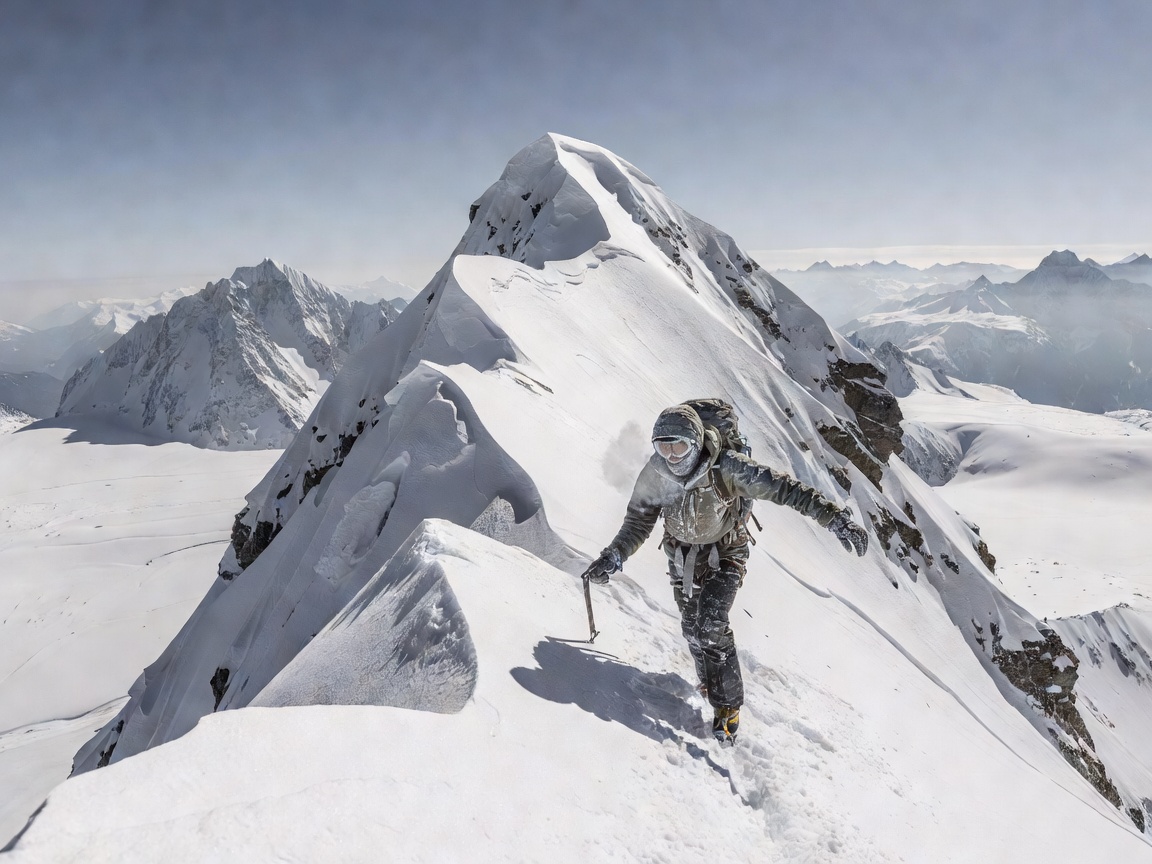
Above 8,000 feet (2,438 meters), barometric pressure drops markedly, reducing the effective fraction of inspired oxygen with every breath. Simultaneously, respiratory moisture loss skyrockets due to ultra-dry montane air, and basal metabolic rate (BMR) elevates up to 15% simply maintaining core homeostasis. Navigating these demanding demands requires a meticulous nutritional and physiological protocol.
1. Fuel Partitioning: The Carbohydrate Imperative
In lowland environments, low-intensity endurance relies heavily on lipid oxidation (fat burning). However, burning fatty acids requires substantially more oxygen molecules per mole of ATP synthesized than glucose. In an oxygen-constrained hypobaric environment, the body shifts preferentially to glycolysis.
- Macronutrient Ratio Targets: 60–65% Carbohydrates, 20–25% Quality Fats, and 15% Bioavailable Proteins.
- Glycogen Replenishment: Ingest 45 to 65 grams of complex, low-glycemic carbohydrates per hour of alpine ascent to spare liver and muscle glycogen stores from premature depletion.
Hydration Mechanics: The Respiratory Evaporative Trap
At high altitude, hyperventilation causes unnoticed pulmonary water loss exceeding 1.5 to 2.0 liters daily, independent of sweat. Electrolyte formulation with sodium concentrations of 450–600 mg/L is essential to avoid acute hyponatremia and mountain dehydration headache.
2. Micronutrient Profiling & Erythropoiesis Support
Over sustained alpine expeditions, the kidneys respond to arterial hypoxia by secreting erythropoietin (EPO), stimulating red blood cell synthesis in bone marrow. This accelerated erythropoiesis rapidly consumes systemic iron and ferritin reserves.
- Heme Iron Optimization: Supplementation with 30–65 mg of elemental iron coupled with Vitamin C should commence 4 weeks before high-altitude expeditions for non-acclimatized athletes.
- Antioxidant Buffering: High ultraviolet radiation coupled with elevated metabolic throughput induces high reactive oxygen species (ROS). Dietary polyphenols from mountain berries and pine bark extracts mitigate lipid peroxidation.
3. Cold-Weather Thermogenesis & Sleep Recovery
Before retiring into high-altitude bivouacs or unheated mountain huts, consuming a slow-digesting lipid-protein snack (such as almond butter and casein protein) fuels nocturnal non-shivering thermogenesis in brown adipose tissue, maintaining core temperature without awakening.