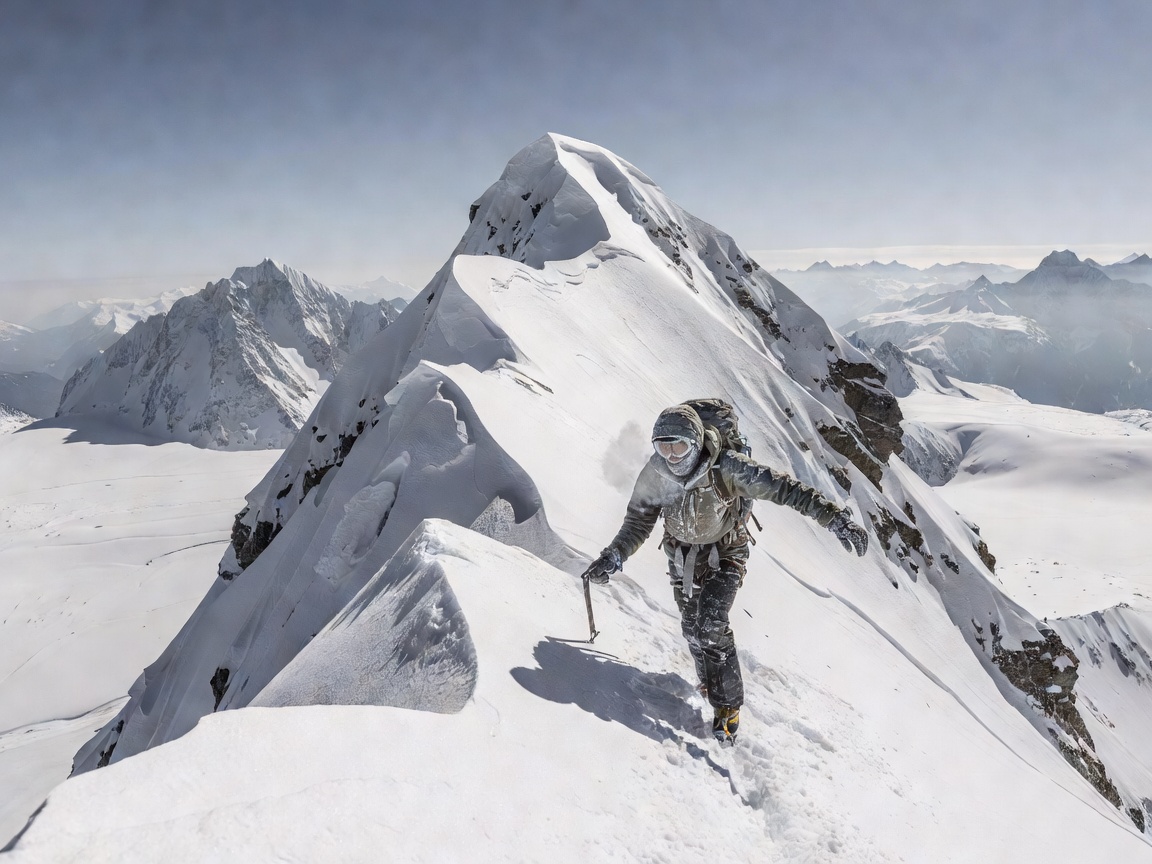
Undertaking a 120-mile unsupported winter traverse along the Continental Divide in mid-February tests every principle of high-altitude physics, physiology, and emergency preparedness. Operating continuously above 11,200 feet with sustained ambient temperatures between -15°F and -35°F (-26°C to -37°C), self-reliance is binary: flawless discipline ensures survival, while small gear missteps escalate rapidly. Here is the verified field dispatch and equipment performance record from the route.
1. Microclimate Navigation & Avalanche Terrain Management
Winter in the Rocky Mountains creates a notoriously complex avalanche snowpack characterized by deep depth hoar and persistent slab instability. Crossing windward versus leeward aspects required continuous route evaluation.
- Ridge Crest Route Strategy: Traversing wind-scoured ridges with crampons avoided wind-loaded leeward couloirs where 3-foot soft slab triggers were observed on 35° slopes.
- Whiteout Navigation Protocol: In severe whiteouts where terrain visual references disappeared, dual redundant barometric altimeters paired with GPS waypoint tracks kept the line within 5 meters of safe ridge spurs.
Shelter Physics: The Emergency Snow-Cave Thermal Buffer
During a 48-hour storm cycle with 70 mph winds on Day 7, setting a tent on exposed ridge rock was impossible. Digging a T-shaped quinzee snow cave into a deep consolidated drift created an insulated interior chamber maintaining a steady 32°F (0°C)—a staggering 55-degree thermal delta compared to the -23°F gale outside.
2. Fuel and Caloric Metabolism in Extreme Cold
Hauling a 68-pound pulk sled through unconsolidated powder elevated daily energy expenditure to 5,400 kilocalories. Maintaining positive energy balance required scheduled hourly carbohydrate feedings and nighttime lipid digestion.
- White Gas Fuel Consumption: Melting 4.5 liters of snow daily for hydration consumed 110 ml of liquid white gas per 24-hour cycle.
- Insulated Hydration Management: Water bottles stored in custom closed-cell neoprene sleeves inside the jacket core prevented catastrophic freezing on the move.
3. Key Takeaways for High-Altitude Travellers
Redundancy is non-negotiable. Backup lithium batteries kept against bodily warmth, mechanical firesteels for stove ignition when piezo igniters failed, and constant moisture management through disciplined layer shedding prevented hypothermia across all 14 days.